
Día de Los Muertos: Meaning, Traditions, and Happy Ways to Remember Our Ancestors
There’s something special about making a recipe that’s been passed down through generations. The familiar smell filling the kitchen, your hands working the same dough your grandmother once made, and knowing that somewhere along the way, someone you never even met was doing exactly the same thing.
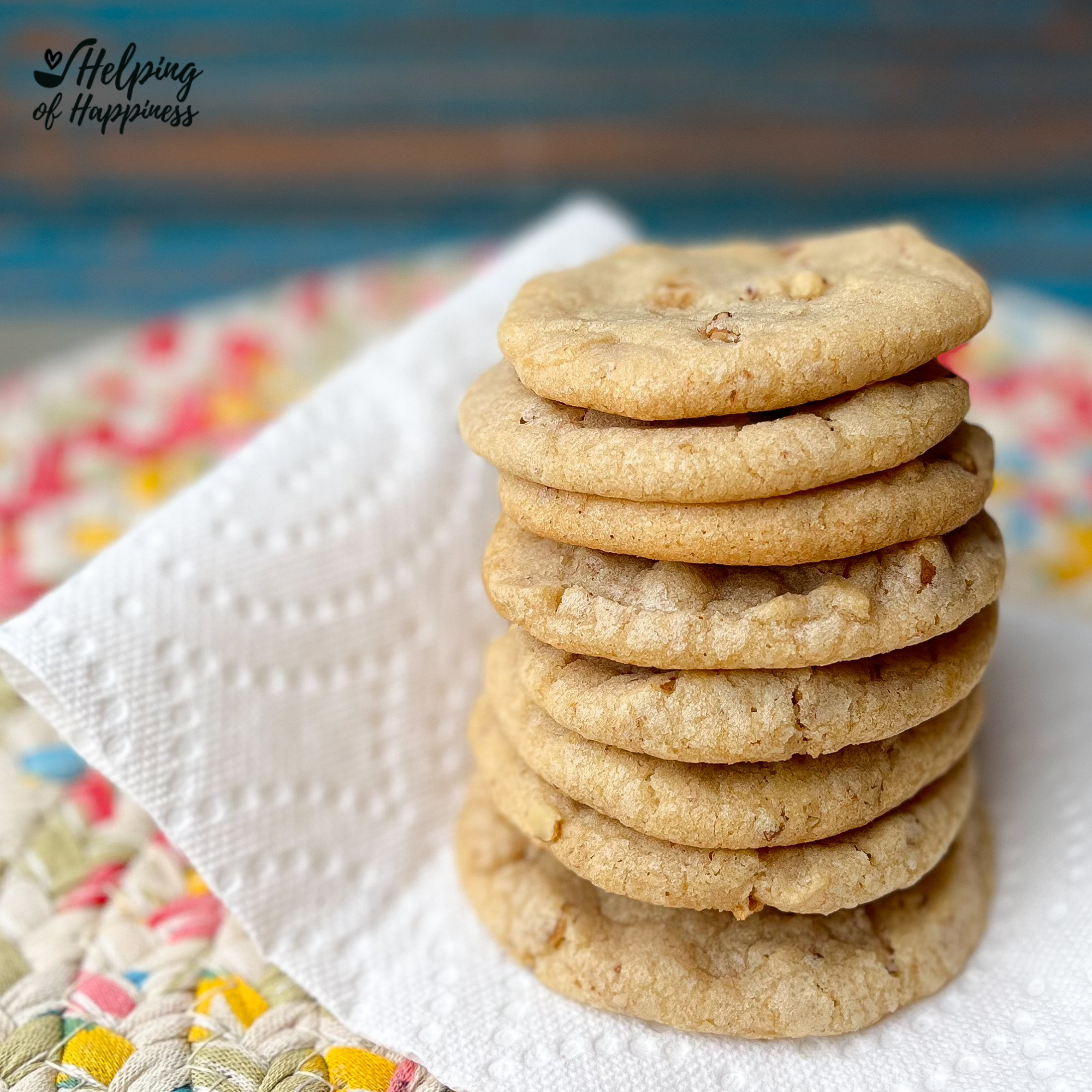
My grandma made these pecan cookies, but the recipe actually came from her grandmother, who lived in Germany. I never had the opportunity to meet my great-great-grandmother, but in a small way, I feel like I’ve gotten to know her through these cookies.
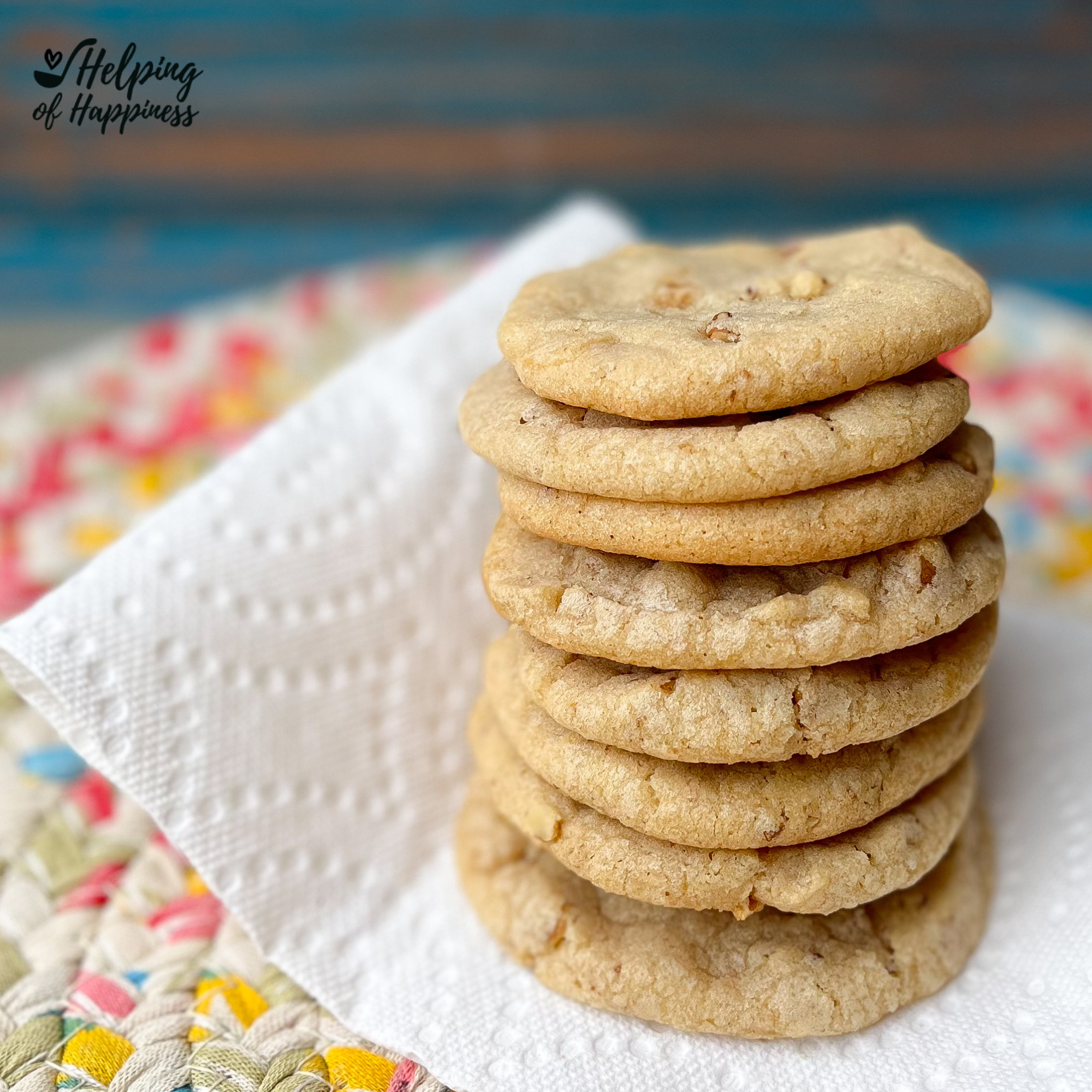
Some of my kids never met my grandmother either. She passed away before they were born. But when we make these cookies in our home, I get to share a little piece of her with them. I can tell them about the grandmother who made them and always had a jar of them in her pantry, as well as my great-great-grandmother who passed the recipe down to her.
Sometimes I wonder how many little pieces of our family history are waiting for us to rediscover and pass along. It can feel like a family treasure hunt, learning gem by gem, who and where we come from!
That’s one of the things I love about Día de Los Muertos. It reminds us that remembering the people who came before us isn’t just about looking back. It’s about keeping their stories alive and helping the next generation understand the people and traditions that helped make them who they are.
This post may contain Amazon or other affiliate links, meaning that if you choose to click through and make a purchase, I will receive a small commission for sharing at no cost to you.
Día de los Muertos: Meaning, Traditions, and Happy Ways to Remember Our Ancestors
A Little About Día de los Muertos
Día de Los Muertos, or Day of the Dead, is a Mexican holiday celebrated on November 1st and 2nd. Its roots trace back to Indigenous traditions in Mexico for honoring the dead. Over time, these traditions blended with Catholic observances brought by Spanish colonizers. Today, families mark the holiday by remembering and honoring loved ones who have passed away.
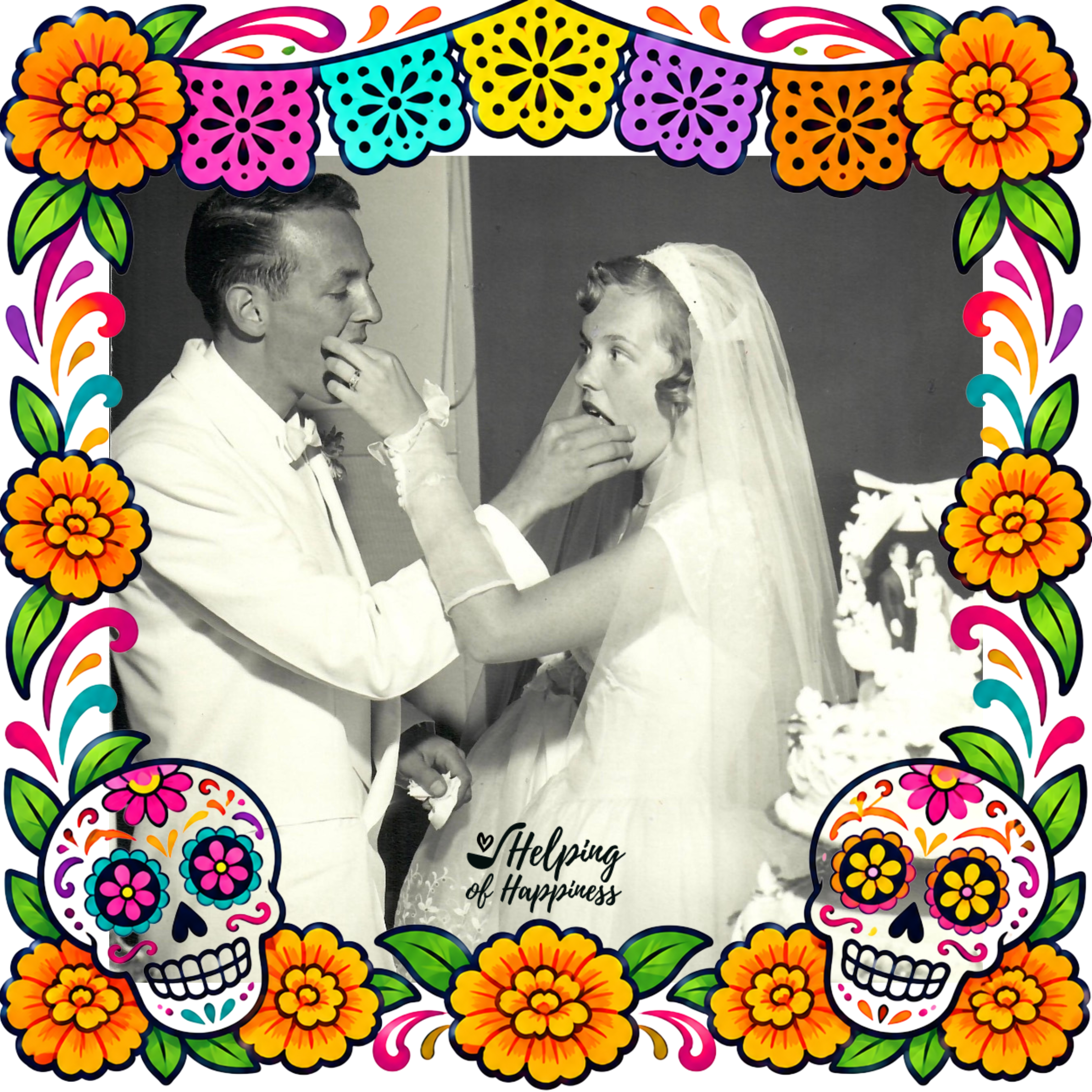
One of the best-known traditions is creating an ofrenda, which means offering. An ofrenda is a special display, often decorated with photographs, candles, marigolds, favorite foods, and meaningful objects that belonged to or remind people of loved ones. In many families, the ofrenda is prepared to welcome the spirits of loved ones during the celebration.
Learning to See Día de los Muertos Differently
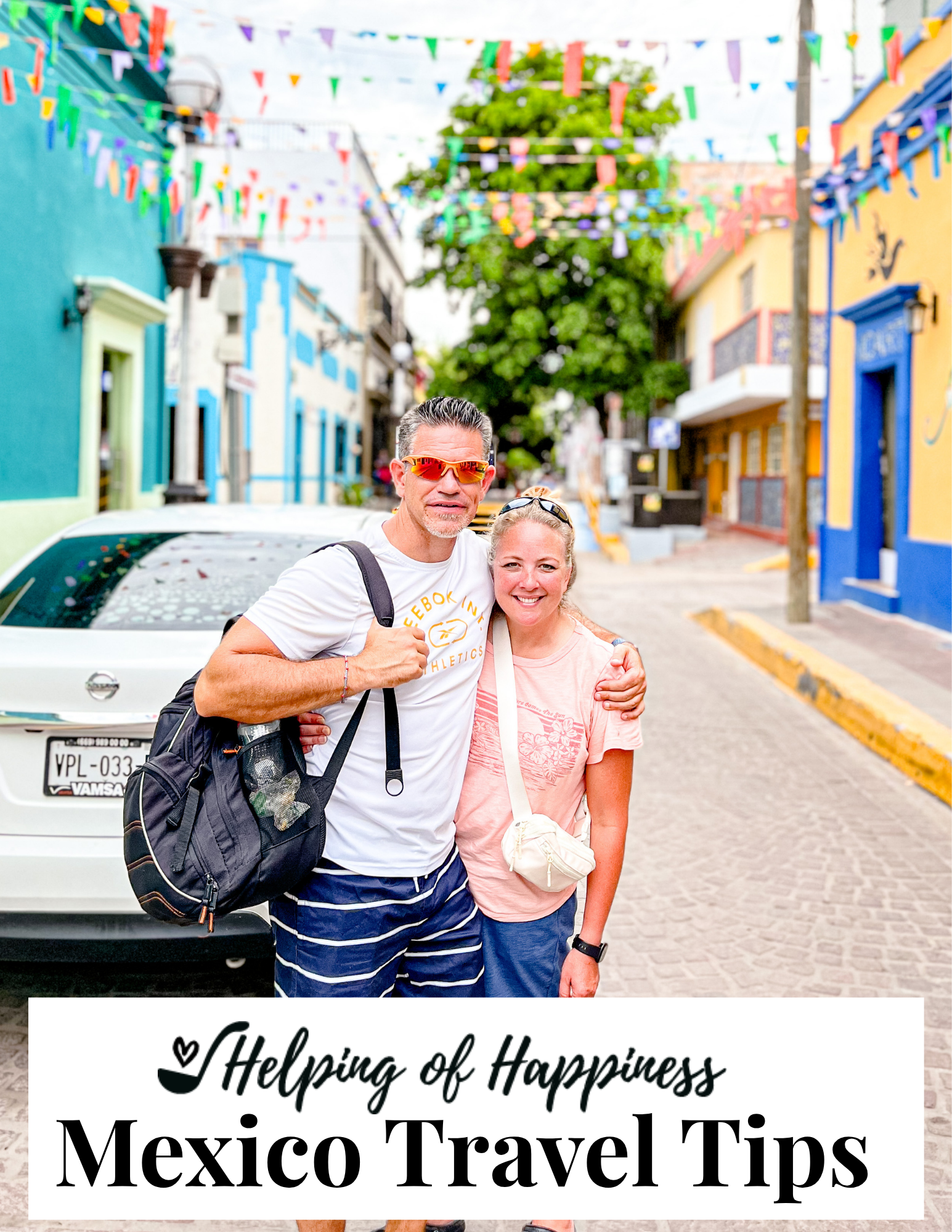
When I was younger, skulls always seemed a little scary to me. I had grown up thinking of them as something dark or even evil. I never really understood the beautiful meaning behind the colorful skulls associated with Día de Los Muertos until my husband and I traveled to Mexico to revisit the place where he lived while serving a mission for our church.
There, I began learning more about the holiday and the traditions surrounding it. If you’ve watched the movie Coco, you probably have a little glimpse into the beautiful, colorful world of Día de Los Muertos. The skulls, or calaveras, are part of a tradition that remembers loved ones who have passed away. The colors, flowers, decorations, and family gatherings create an atmosphere of remembrance and celebration rather than fear.
My perspective completely changed. Now, when I see those colorful skulls, I don’t think about something scary. I think about family, the people who came before me, and the stories that deserve to be remembered. And that’s something I want to pass along to my own children!
Creating an Ofrenda: Remembering the People We Love
One of the things I love about the tradition of the ofrenda is how personal it can be. Families display photographs of loved ones, along with things that remind them of the people they are remembering. It might be a favorite food, a flower, a treasured possession, or something that brings back a special memory.
I think this is a meaningful way to introduce our children to the people who came before them.
All of my grandparents have passed away, and most of my children didn’t have the opportunity to know them very well, if at all. Also, my wonderful father-in-law passed away about seven years ago. My older children have memories of him, but my younger ones don’t.
I’d love to use this time of year to create a little space in our home where we can remember these people together. We could display their photographs, share stories, and include a few things that remind us of their personalities. And those things don’t have to be elaborate!
For example, my grandmother had a difficult time eating toward the end of her life. My aunts lovingly made her nutritious smoothies to help her get the nourishment she needed. But one day, she finally declared that she didn’t want another smoothie. She just wanted a bag of Lay’s potato chips! We all laughed so hard at that. I think putting a bag of Lay’s on our display would be a pretty perfect way to remember her personality.
My father-in-law loved fresh produce and fried chicken. So maybe we’d put some fresh fruits and vegetables on display, or pick up some fried chicken to represent something he loved.
And of course, I’d include those pecan cookies that connect me to my great-great-grandmother.
You don’t have to be a great cook or spend hours in the kitchen to make remembering someone meaningful. Sometimes the simplest things tell the best stories.
The idea is to give our children a chance to learn about the people who came before them: to hear the funny stories, remember the kind things they did, talk about their strengths, and even laugh about some of their quirks. Because remembering someone isn’t just about the big things they accomplished. Sometimes it’s the little things that make us smile years later.
More Ways to Remember and Celebrate Our Ancestors as a Family
You don’t have to create an ofrenda to make remembering your ancestors a family tradition. There are lots of simple ways to help your children learn about the people who came before them.

Here are a few ideas to get you started:
1. Share family stories
Tell your children stories about their grandparents, great-grandparents, and other relatives. Don’t just share the big accomplishments. Tell them about the funny things they did, their favorite sayings, the things they loved, and even some of their silly quirks.
2. Make a family recipe
Find a recipe that has been passed down through your family and make it together. Talk about who originally made it, where it came from, and why it has been special to your family.
3. Create a family tree
Help your children learn the names of their grandparents, great-grandparents, and even generations beyond that. Older children might enjoy researching where their ancestors lived and learning a little about what their lives were like.
4. Interview a grandparent or older relative
If you still have grandparents, aunts, uncles, or other older relatives around, take some time to ask them questions about their childhood and family history. You could even record their answers so you have those stories to enjoy years from now.
5. Look through old family photographs
Pull out those old photo albums and let your children see what their ancestors looked like. Tell them who is in the pictures and share any stories you know. You might be surprised by the questions they ask!
6. Visit a family cemetery
If you have loved ones buried nearby, take your children to visit their graves. Bring flowers, talk about the person, and share a few memories. It can be a simple way to help children understand their family connections.

Discover Your Family History with FamilySearch
Have you ever wondered how far back you can trace your family tree? Or what countries your ancestors came from? You might be surprised by what you discover!
One resource worth exploring is FamilySearch.org. FamilySearch is a free genealogy website that helps families discover their ancestors and learn more about their family history.
You can start building your own family tree, add photographs and stories, and explore historical records to learn more about the people who came before you. You can even work on your family tree together with your children and see how many generations back you can go.
I love the idea of making this a family activity. Imagine sitting around the table with your kids, discovering that a great-great-grandparent came from Europe, or Asia or Africa, and finding out that an ancestor lived through an incredible experience. Those discoveries can open up conversations about courage, hard work, family traditions, and the places that make up your family’s history.
FamilySearch also offers family history activities that can help make genealogy more approachable for children.
You don’t have to know much about your family history to get started. You can begin with what you know and work backward, asking relatives questions and adding pieces of your family story as you discover them.
Who knows? You might uncover a story that your children will someday pass along to their own children.
Keeping Their Stories Alive
One of the things I hope my children learn as they grow up is that they come from a long line of people who have lived, loved, struggled, worked hard, and overcome difficult things.
When we hear stories about an ancestor who showed incredible bravery, we can recognize that same potential in ourselves. We can look at their example and think, If they could do that, maybe I can too.
And I think it’s equally important to remember that our ancestors weren’t perfect. They had their quirks, their struggles, and probably a few habits that drove their families crazy! That’s part of being a family. We can love people, laugh about the things that made them who they were, learn from their mistakes, and appreciate the good they brought into our lives.
I love that Día de Los Muertos gives families an opportunity to celebrate those connections and remember the people who helped shape their family story.
Whether it’s making an old family recipe, putting a bag of Lay’s potato chips on a remembrance display, looking through old photographs, or discovering a new branch of your family tree, there are so many ways to keep those stories alive.
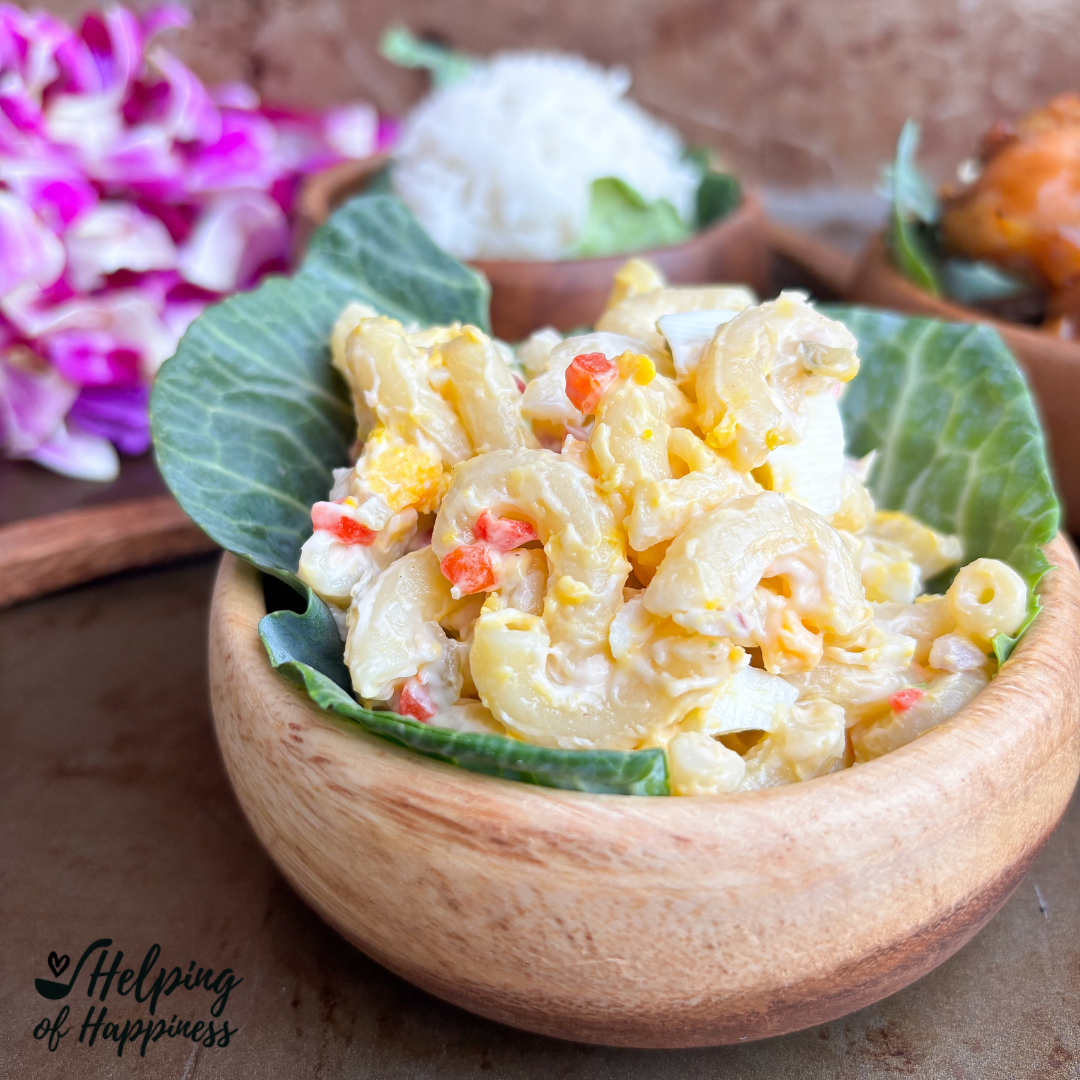
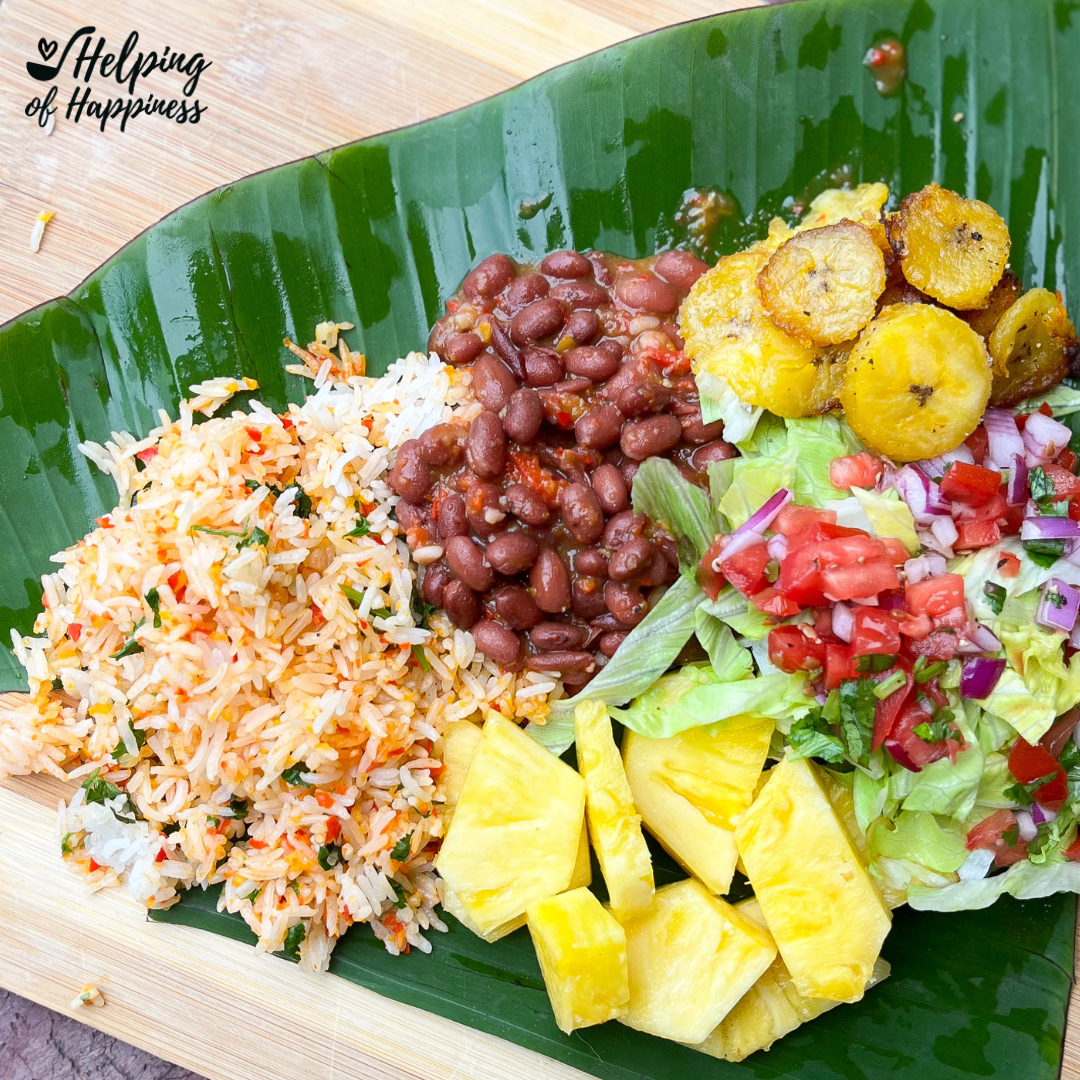
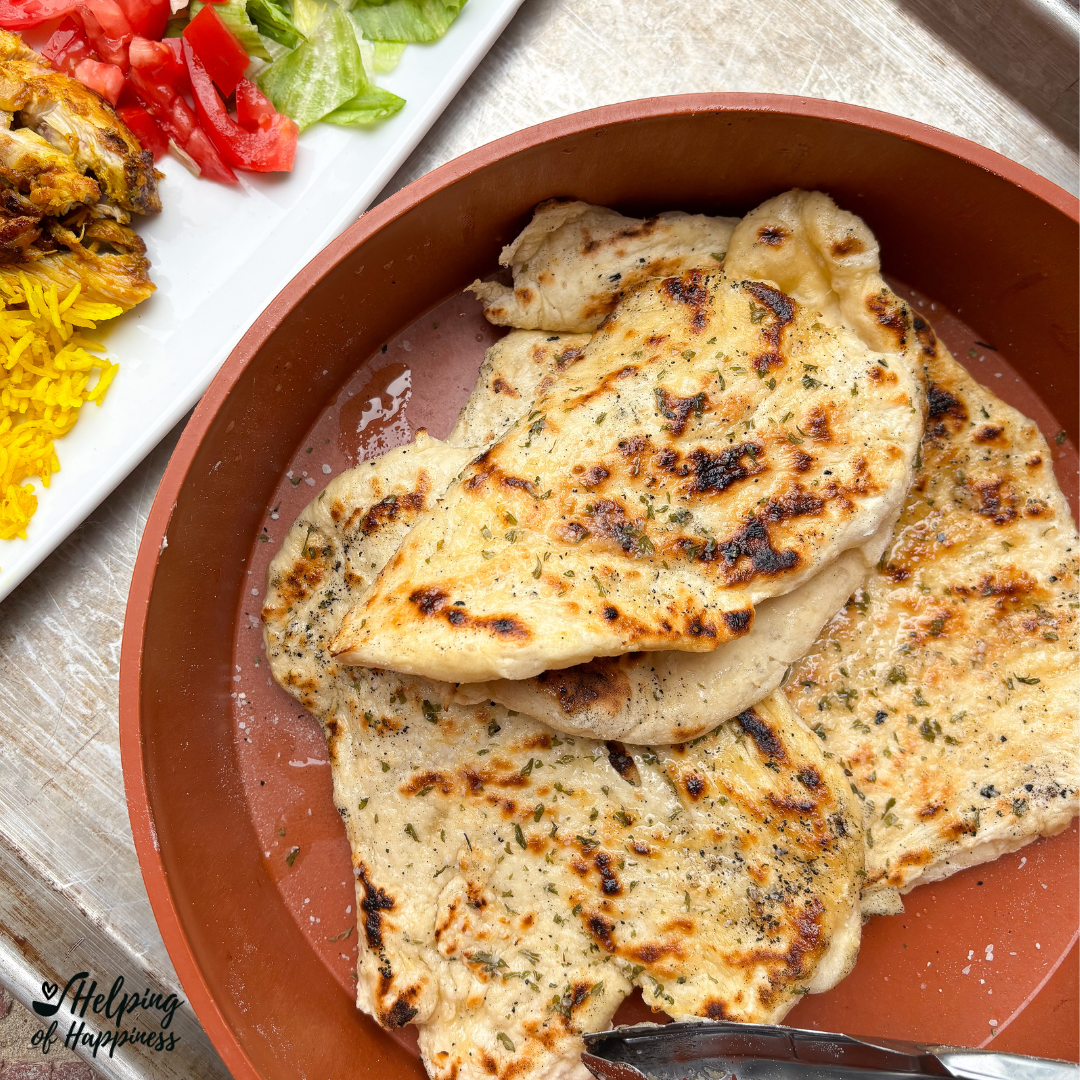
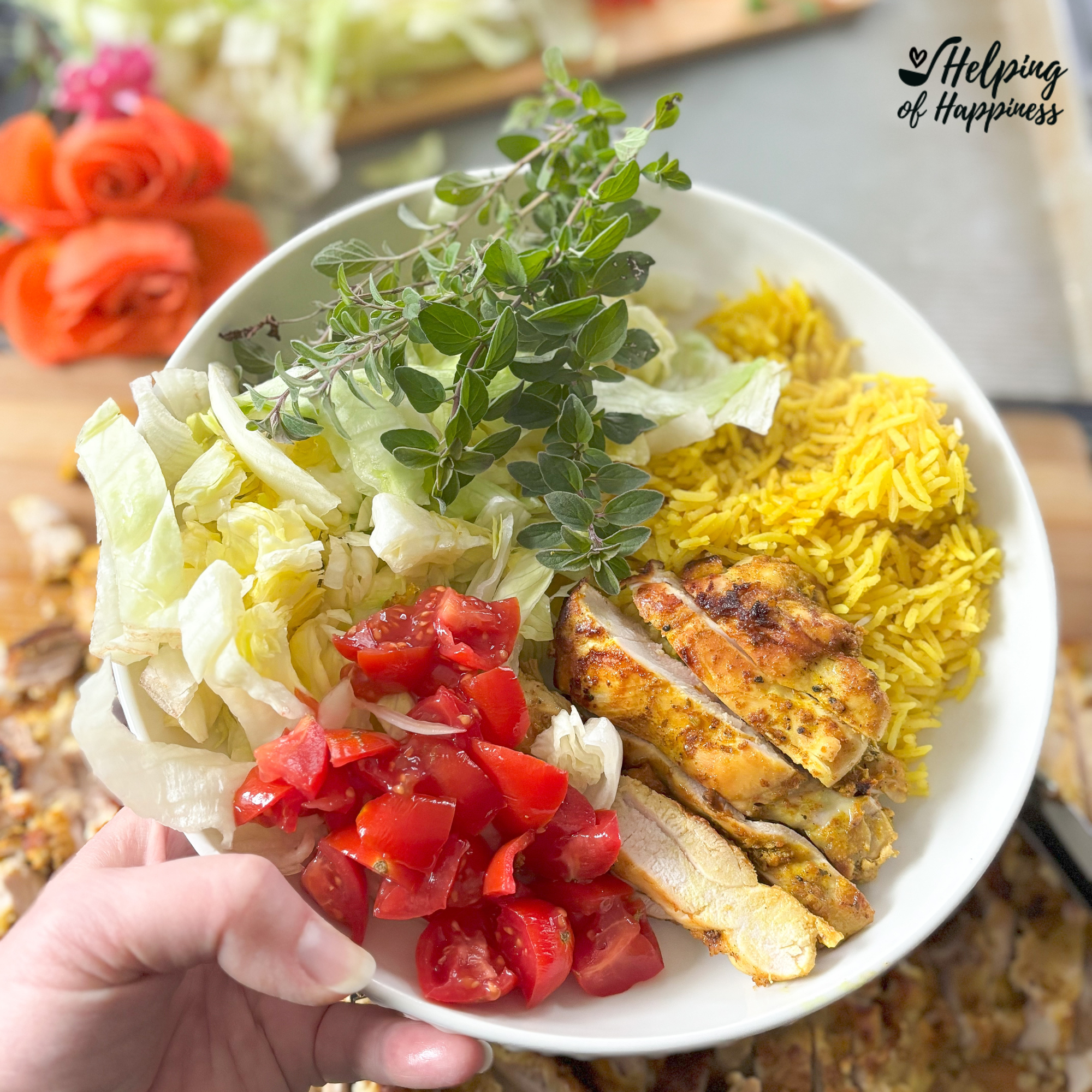
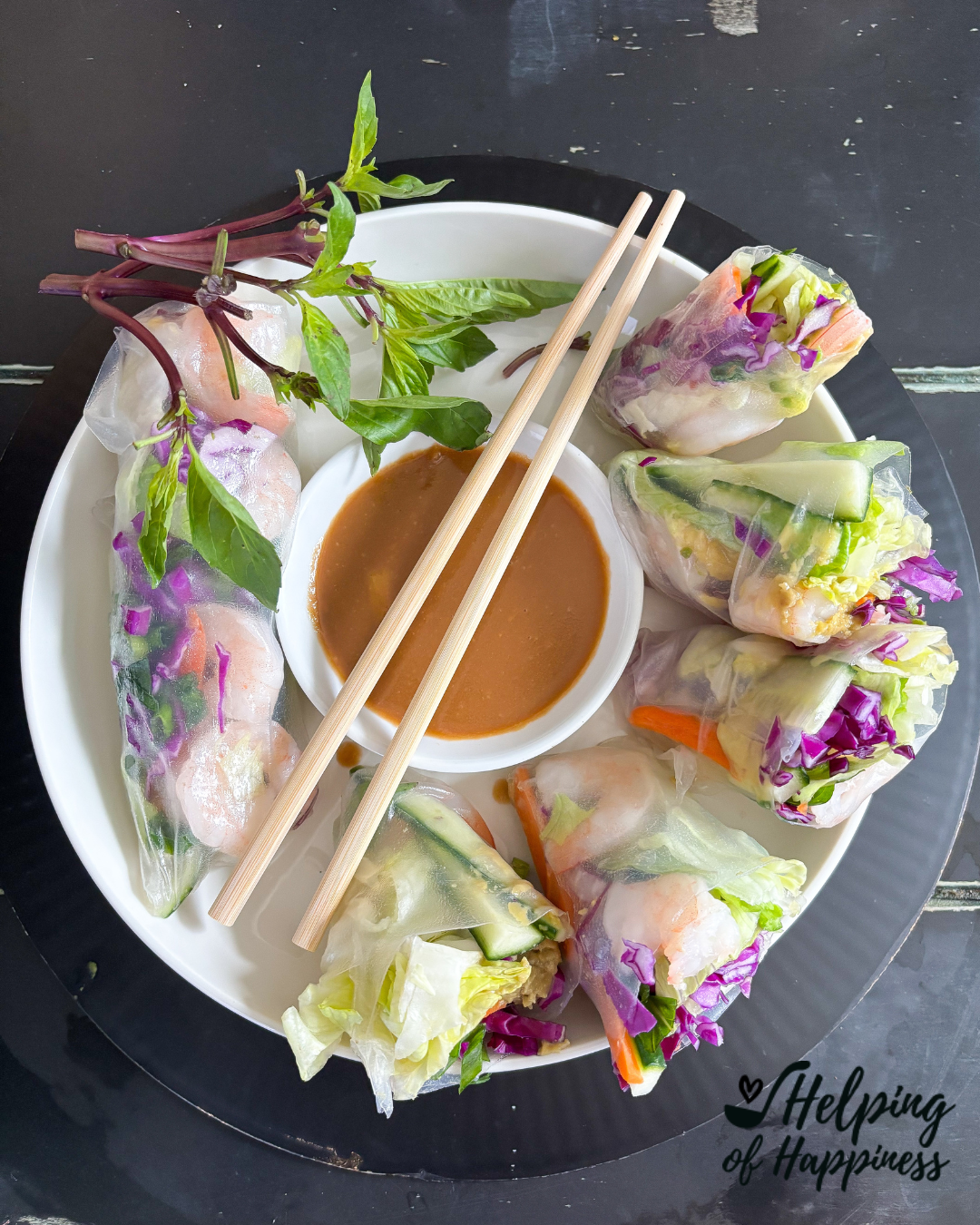
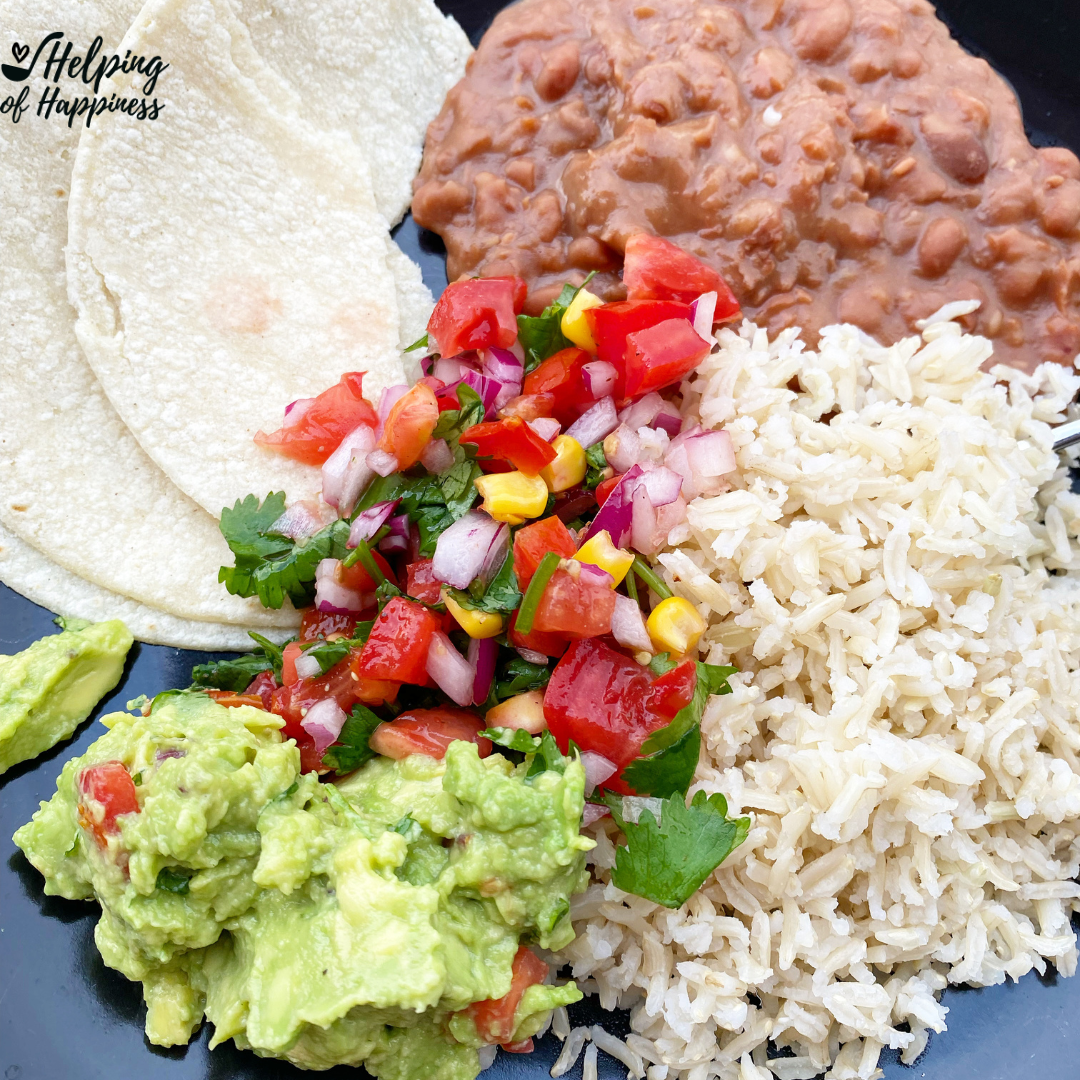
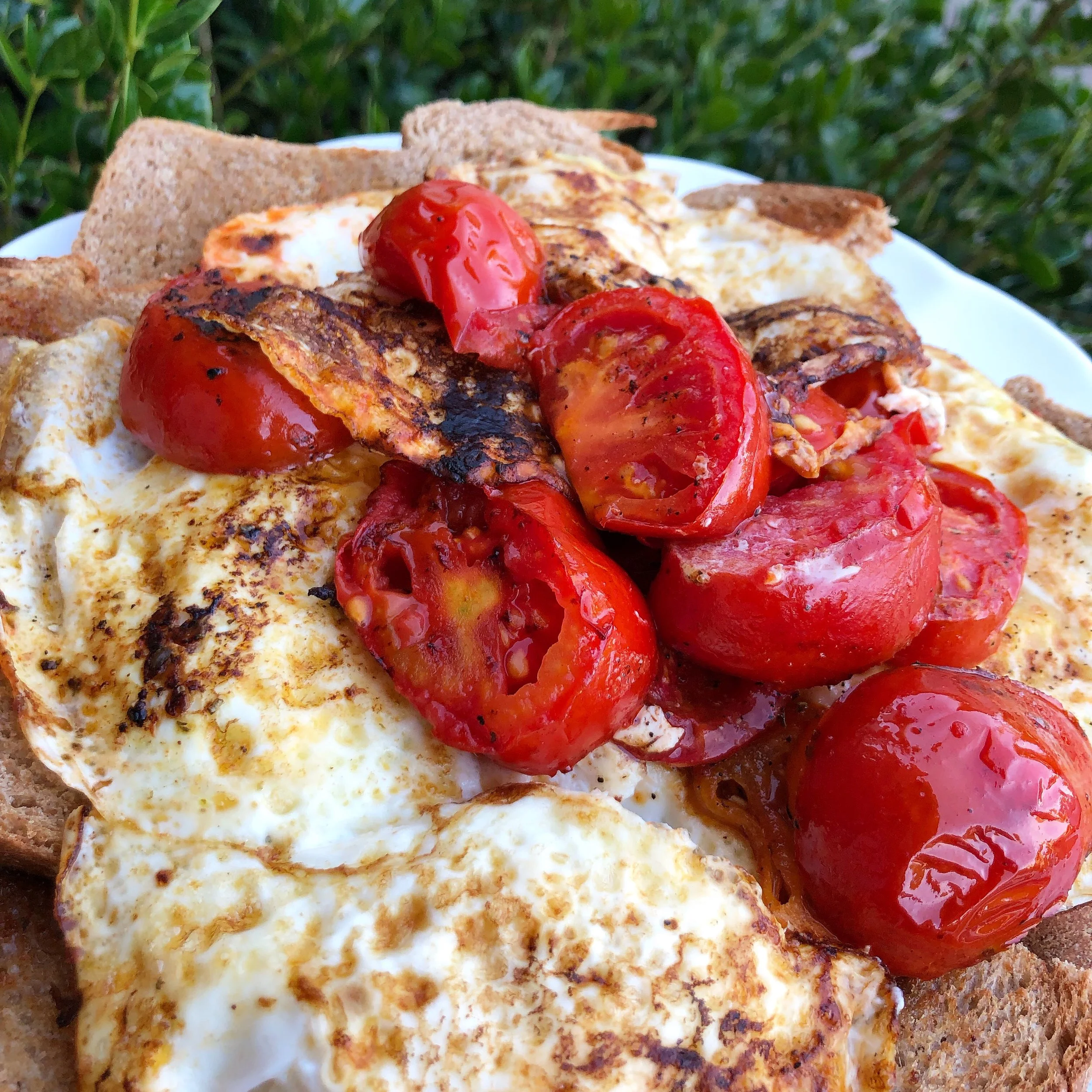
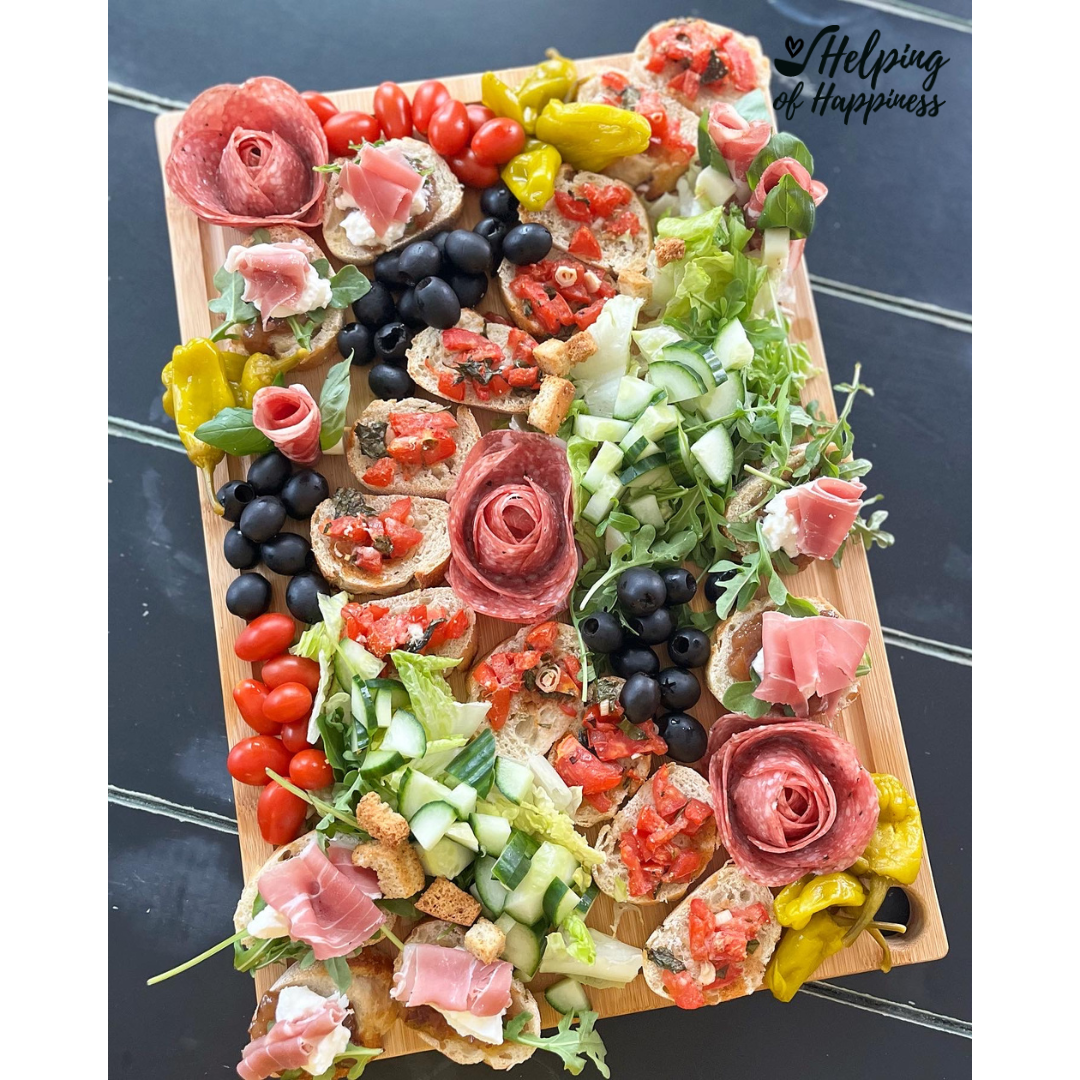
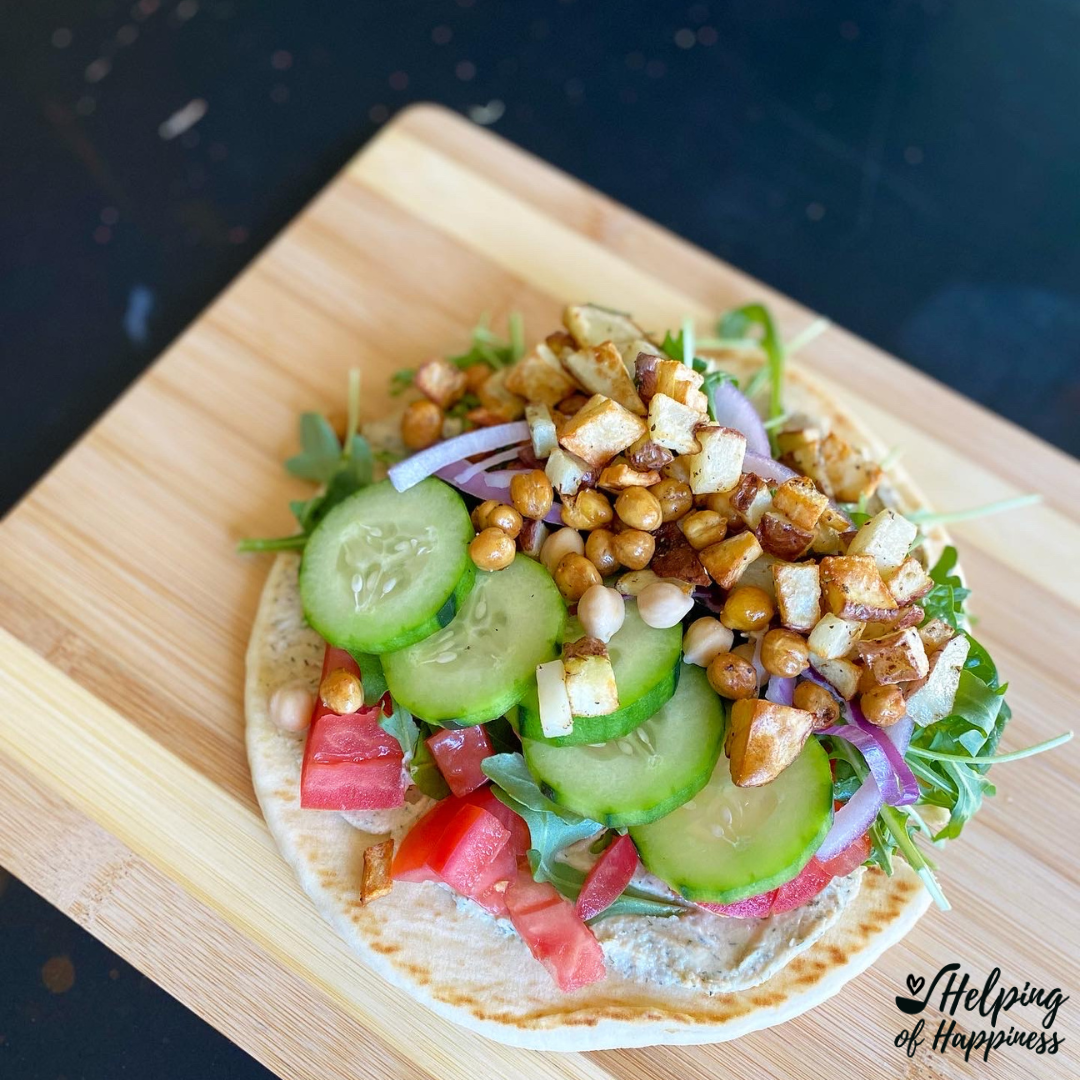
Curious about the foods your ancestors might have enjoyed? Explore some of our favorite recipes from around the world. From French crepes and Italian bruschetta, to Mexican pico de gallo, you might find something new to try with your family. Browse recipes from around the world. And if you’re excited the pecan cookies mentioned above, you’ll see that family recipe below, too!
Recipes from around the world

Cheering you on in your family life!
- Hillary
Married to college sweetheart, mom to 7 kids, grandmother to 1 !!
Bachelor of Science in Home and Family from Brigham Young University
check out some of our other home hacks & family traditions below:


